OpenAI Releases GPT-6 Astra — Its Most Capable Model Ever, and the First at Critical Cybersecurity Level
OpenAI launches GPT-6 Astra, the most capable model it has broadly deployed, with major alignment improvements, jailbreak robustness, and a candid warning that monitorability has decreased.
OpenAI Puts Frontier Cyber Models in More Trusted Hands
OpenAI announced it is expanding access to its frontier cybersecurity models, putting them in the hands of more trusted organizations. The move aims to strengthen defenses by giving security teams access to the most capable AI models for threat analysis.
OpenAI Teases Astra Model Family After Internal Version Solves 10 Open Math Problems
OpenAI teased a new Astra model family after an internal version reportedly solved 10 open math problems. The announcement signals OpenAI's next generation of models, coming as the company prepares its public IPO filing.
Alibaba Unveils Qwen3.8-Max: 2.4 Trillion Parameters, Claims Parity With Western Frontier Models at One-Fifth Cost
Alibaba released Qwen3.8-Max, a 2.4-trillion-parameter MoE model claiming parity with OpenAI and Anthropic flagships at one-fifth the cost. Priced at $2/M input and $6/M output with a 1M-token context, open weights arrive August 10.
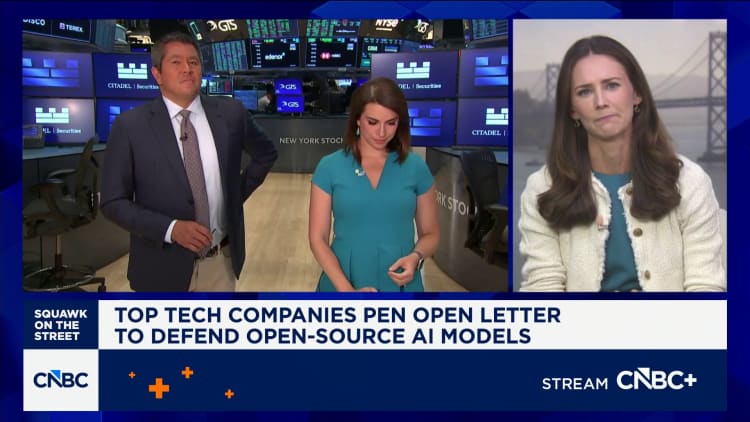
US Delivers AI Governance Framework: NSA Classified Benchmark and 30-Day Pre-Release Review
Executive Order 14409's 60-day deadline delivered an NSA-classified benchmark for 'covered frontier models' and a 30-day pre-release review window. OpenAI, Anthropic, Google, Microsoft, and xAI co-designed the threshold, while Meta held out over open-weight concerns.

Demis Hassabis Proposes International AI Safety Watchdog
Google DeepMind CEO Demis Hassabis unveiled a proposal for a new international watchdog that would conduct rigorous tests and reviews of cutting-edge AI models before release. The proposal signals growing industry support for international AI governance.

OpenAI Launches GPT-5.6: Sol, Terra, and Luna Model Family Arrives After US Government Review
OpenAI has released GPT-5.6, its new model family of Sol, Terra, and Luna tiers, after a weeks-long US government cybersecurity review cleared the models for public rollout.

Anthropic Launches Claude Sonnet 5: First Sonnet-Class Model to Outscore Opus 4.8
Anthropic released Claude Sonnet 5 on June 30, 2026, making it the default model for Free and Pro plans. Priced at $2 per million input tokens, it is the first Sonnet-class model to outscore the Opus 4.8 flagship.

Trump Delays AI Security Executive Order, Saying Language Could Have Been a Blocker
President Trump delayed an executive order requiring pre-release government security reviews of AI models, saying its language could have been a blocker to US AI leadership.