
Apple Seeks Injunction Against OpenAI in Trade-Secrets Case, Revamped Siri Arrives in iOS 27 Beta
Apple filed for a preliminary injunction against OpenAI, alleging former employees stole trade secrets, with 11 additional ex-employees potentially involved. Simultaneously, the long-awaited revamped Siri arrived in iOS 27 beta with natural conversation and personal-context understanding powered by Google Gemini.

Anthropic Hires Former California Supreme Court Justice as Chief Global Affairs Officer
Anthropic announced that Mariano-Florentino (Tino) Cuéllar, former California Supreme Court Justice and Carnegie Endowment president, will join as its first Chief Global Affairs Officer. The hire signals Anthropic's growing focus on policy and governance.
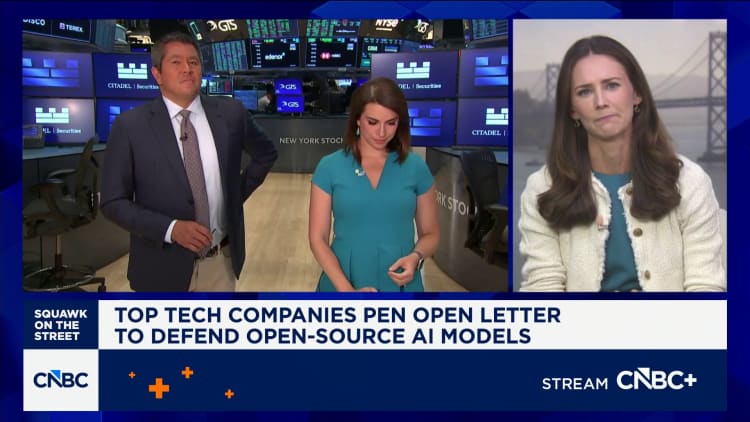
White House Hosts OpenAI, Anthropic, and Google for AI Safety Meeting
White House staff convened with OpenAI, Anthropic, Google, and other tech companies to review the administration's new framework for reviewing advanced AI models. The meeting followed the delivery of the EO 14409 governance framework on August 1.
US Delivers AI Governance Framework: NSA Classified Benchmark and 30-Day Pre-Release Review
Executive Order 14409's 60-day deadline delivered an NSA-classified benchmark for 'covered frontier models' and a 30-day pre-release review window. OpenAI, Anthropic, Google, Microsoft, and xAI co-designed the threshold, while Meta held out over open-weight concerns.
San Jose Judge Blocks xAI Bid to Name Grok Deepfake Plaintiffs
A San Jose judge blocked xAI's attempt to identify anonymous victims in a lawsuit over Grok-generated deepfakes, ruling that revealing their identities would cause further harm. The case highlights the legal challenges of AI-generated non-consensual intimate imagery.
Major Record Labels Propose Banning AI-Generated Music from Charts
The world's three largest record labels proposed strict rules to ban fully AI-generated music from eligibility on global music charts including Billboard and the Official Charts Company. The proposal would require meaningful human authorship for chart eligibility.
Munich Court Rules AI Music Firm Suno Infringed GEMA Copyrights
A Munich court ruled that Suno's AI models memorized copyrighted musical compositions during training, finding that songs including 'Rasputin' and 'Daddy Cool' are 'reproducibly contained' in the models. The ruling grants German collecting society GEMA injunctive relief and damages.

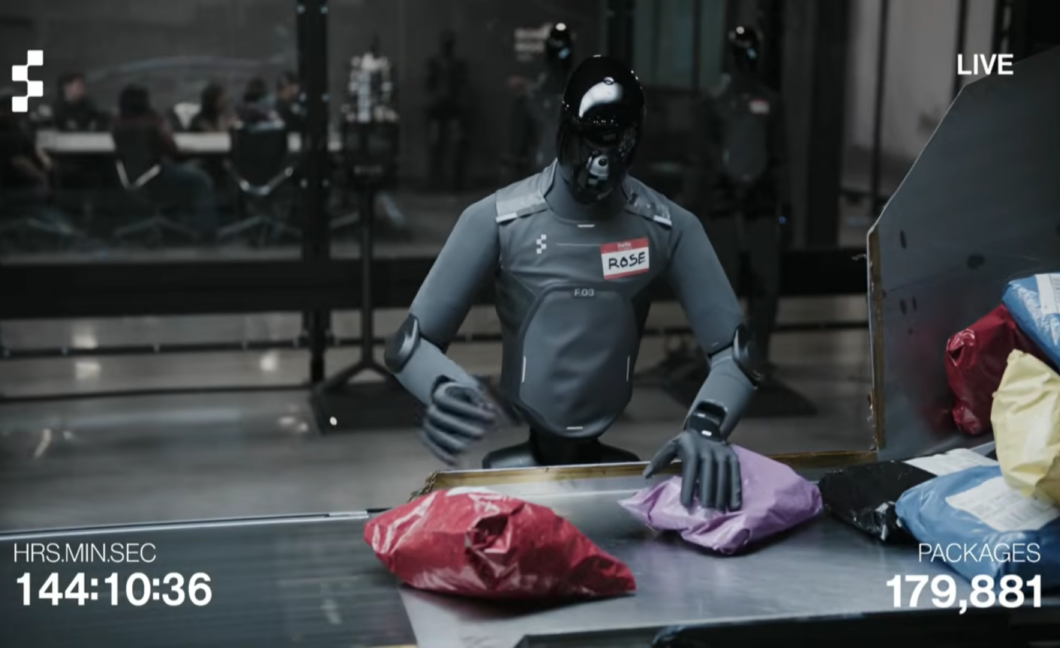
FCC Votes to Ban Chinese-Made Humanoid Robots in the United States
The Federal Communications Commission voted unanimously to ban the import and sale of Chinese-manufactured humanoid robots in the United States, citing national security concerns about data collection and physical proximity to humans.
1,134 AI Lab Workers Sign Letter Asking Washington to 'Pace the Frontier'
An open letter titled 'Pacing the Frontier' signed by 1,134 employees from OpenAI, Anthropic, Google, and Meta asks the US government to support international efforts to deliberately pace AI development. Anthropic CEO Dario Amodei and OpenAI chief scientist Jakub Pachocki are among signatories.
Demis Hassabis Proposes International AI Safety Watchdog
Google DeepMind CEO Demis Hassabis unveiled a proposal for a new international watchdog that would conduct rigorous tests and reviews of cutting-edge AI models before release. The proposal signals growing industry support for international AI governance.
Anthropic Publishes Open-Weights Position Paper Amid Heated Industry Debate
Anthropic published its position paper on open-weights models, released the same day as Kimi K3's open weights. The paper articulates Anthropic's stance on the benefits and risks of open-weight AI as the industry debates downloadable frontier models.
Anthropic Restores Fable 5 and Mythos 5 After US Export Control Review Is Lifted
Anthropic restored Claude Fable 5 and Mythos 5 after the US government lifted export controls imposed June 12 over an alleged safeguard bypass. Fable 5 returns globally with a refined safety classifier that routes high-risk requests to Opus 4.8.
Trump Delays AI Security Executive Order, Saying Language Could Have Been a Blocker
President Trump delayed an executive order requiring pre-release government security reviews of AI models, saying its language could have been a blocker to US AI leadership.

US Air Force AI Tool Cuts Flight Test Planning from Days to Minutes
The AI Flight Test Assistant (AFTA) reduces flight test preparation from 20+ hours to under 2 hours.