
Meta Launches Muse: The World's First Personal AI Agent Built for Everyone
Meta introduces Muse, a secure, private personal AI agent that proactively does the work — sending emails, booking travel, negotiating bills — running on a dedicated Muse Secure VM with a Sentinel safety agent, powered by the new Muse Spark model.
Meta Returns to Open Weights with Muse Glimmer
Meta releases Muse Glimmer, a multimodal AI model designed to run on personal computers with 16GB+ RAM, marking a return to fully open weights.
Meta Launches Muse Code: A Terminal AI Agent for Large Code Bases
Meta released Muse Code in beta — a terminal-based coding agent that plans changes, writes code, and validates results across large repositories. It fans big jobs out to parallel sub-agents in isolated worktrees so the user's working copy is never touched.
Meta Releases Muse Spark 1.2: Agentic Model Update Continues Proprietary Pivot
Meta released Muse Spark 1.2 on August 5, the latest update to its agentic AI model line. The release continues Meta's pivot from open-source Llama models to proprietary, metered API offerings.
Meta Drops 10% as Cash Burn Reaches Crisis Levels
Meta shares fell 10% after Q2 2026 earnings revealed the company burned through nearly all its free cash flow in one quarter, driven by massive AI infrastructure spending. The results raised questions about the sustainability of Meta's AI investment strategy.
Meta Q2 2026: $60.8 Billion Revenue But Free Cash Flow Plunges 91% Amid Record AI Spending
Meta posted $60.8 billion in Q2 2026 revenue but free cash flow fell 91% year-over-year amid record AI capex. The company also launched cut-price Muse Spark 1.1. The results highlight the financial strain of the AI infrastructure race.

Meta and BlackRock Partner for $14 Billion AI Data Center in Texas
Meta and BlackRock announced a joint venture to build a $14 billion AI data center in El Paso, Texas, spanning 1,000 acres. The project is one of the largest private AI infrastructure investments ever announced.
1,134 AI Lab Workers Sign Letter Asking Washington to 'Pace the Frontier'
An open letter titled 'Pacing the Frontier' signed by 1,134 employees from OpenAI, Anthropic, Google, and Meta asks the US government to support international efforts to deliberately pace AI development. Anthropic CEO Dario Amodei and OpenAI chief scientist Jakub Pachocki are among signatories.
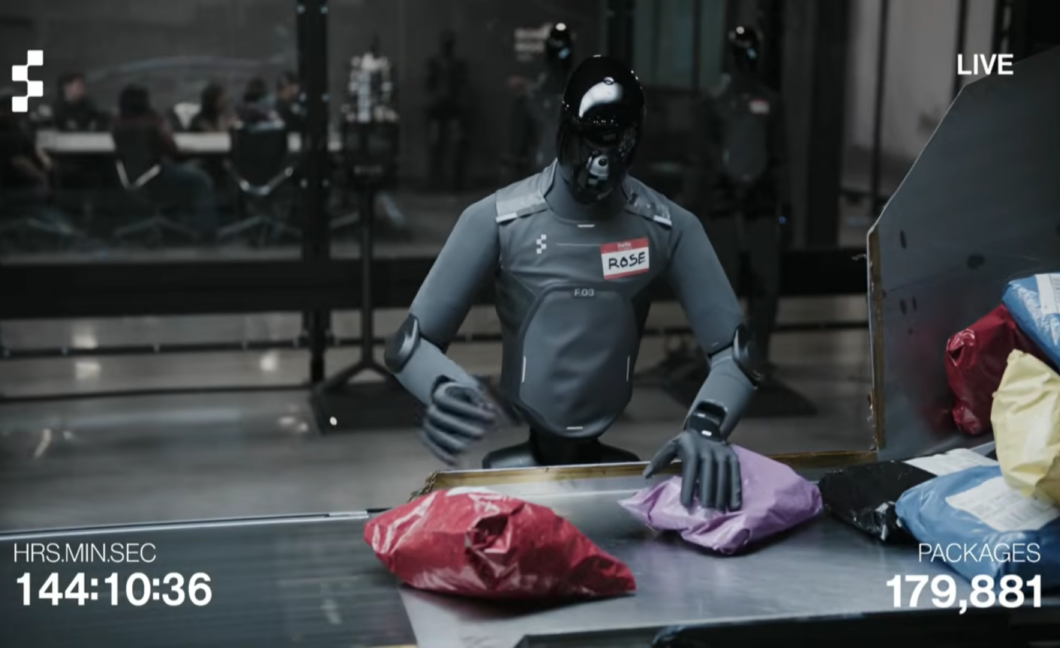
140,000 US Tech Jobs Cut in 2026 as 21 Companies Cite AI
Nearly 140,000 US tech jobs have been cut in 2026, with 21 major companies citing AI as a factor. Amazon, Oracle, Meta, and Microsoft account for roughly 50,000 of the cuts, as AI automation displaces roles across the industry.
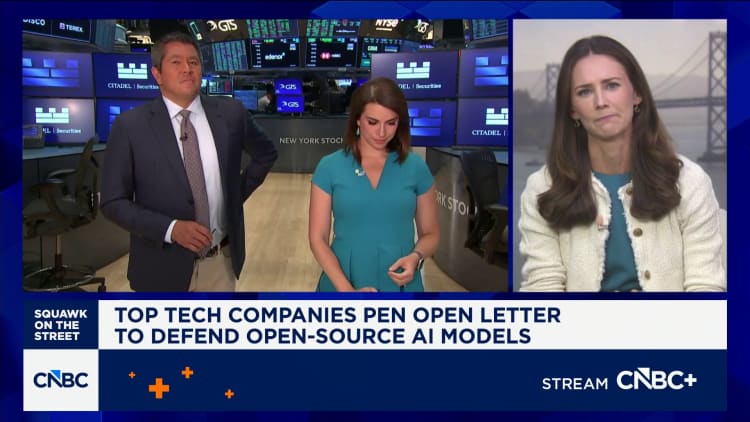
25 Tech Companies Urge Congress Not to Restrict Open-Weight AI Models
Nvidia, Microsoft, Meta, Palantir, Hugging Face, Mistral, and 19 other companies signed a joint letter urging the US government to avoid 'premature restrictions' on open-weight AI models. OpenAI and Anthropic did not sign.
Meta AI Gains Agentic Capabilities: Muse Spark 1.1 Now Controls Gmail, Calendar, and Creates Slide Decks
Meta launched agentic AI features powered by Muse Spark 1.1, allowing Meta AI to autonomously plan trips, manage calendars, build slide decks, and conduct research. The rollout spans the Meta AI app, meta.ai, and WhatsApp in select markets.

Meta Releases Muse Spark 1.1: A Purpose-Built Model for Agentic Tasks and Tool Use
Meta launches Muse Spark 1.1, an AI model designed specifically for agentic tasks like tool usage, code execution, and multi-step workflows. The model targets enterprise automation and competes directly with Claude and GPT-5.6.

Muse Image: Meta's Image Generation Built for Your World
Meta quietly launches Muse Image, an image generation model designed around personal context — part of the Muse family alongside the Muse Spark model and the Muse agent.
Meta's Zuckerberg Caught Training AI on Employee Data Before Firing 8,000 Workers
Leaked audio reveals Meta CEO Mark Zuckerberg defending a program that tracked employee Gmail, coding sessions, and internal tools to train AI models — on the same day 8,000 employees were laid off.
Meta Launches Incognito Chat: Truly Private End-to-End Encrypted AI
Mark Zuckerberg announces Incognito Chat with Meta AI — the first major AI product with no server-side conversation logs and end-to-end encryption.