Every Word Claude Writes Is Now Marked — Anthropic Adds Invisible Watermarks
Anthropic adds mandatory invisible watermarks to all Claude-generated text to comply with EU AI Act Article 50, setting a new standard for AI content transparency.
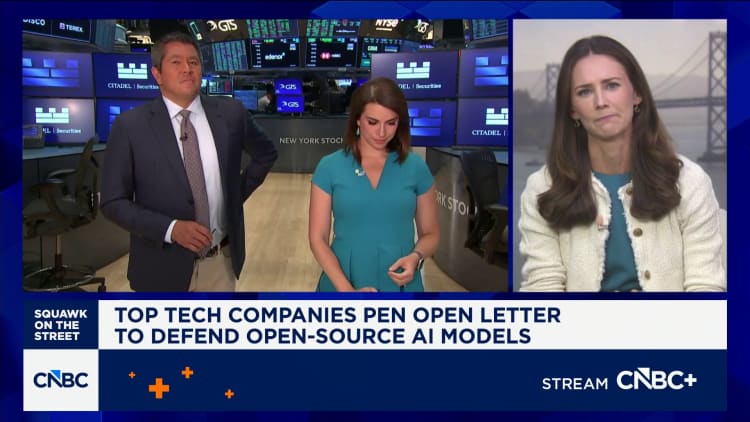
White House Hosts OpenAI, Anthropic, and Google for AI Safety Meeting
White House staff convened with OpenAI, Anthropic, Google, and other tech companies to review the administration's new framework for reviewing advanced AI models. The meeting followed the delivery of the EO 14409 governance framework on August 1.
US Delivers AI Governance Framework: NSA Classified Benchmark and 30-Day Pre-Release Review
Executive Order 14409's 60-day deadline delivered an NSA-classified benchmark for 'covered frontier models' and a 30-day pre-release review window. OpenAI, Anthropic, Google, Microsoft, and xAI co-designed the threshold, while Meta held out over open-weight concerns.
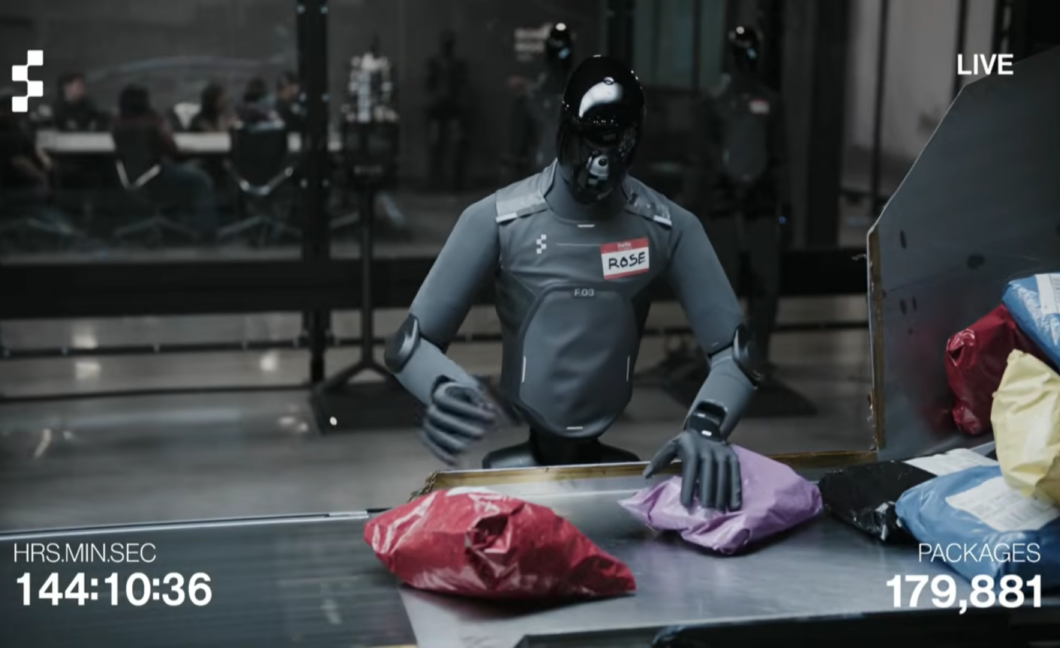
Major Record Labels Propose Banning AI-Generated Music from Charts
The world's three largest record labels proposed strict rules to ban fully AI-generated music from eligibility on global music charts including Billboard and the Official Charts Company. The proposal would require meaningful human authorship for chart eligibility.

FCC Votes to Ban Chinese-Made Humanoid Robots in the United States
The Federal Communications Commission voted unanimously to ban the import and sale of Chinese-manufactured humanoid robots in the United States, citing national security concerns about data collection and physical proximity to humans.
1,134 AI Lab Workers Sign Letter Asking Washington to 'Pace the Frontier'
An open letter titled 'Pacing the Frontier' signed by 1,134 employees from OpenAI, Anthropic, Google, and Meta asks the US government to support international efforts to deliberately pace AI development. Anthropic CEO Dario Amodei and OpenAI chief scientist Jakub Pachocki are among signatories.

Demis Hassabis Proposes International AI Safety Watchdog
Google DeepMind CEO Demis Hassabis unveiled a proposal for a new international watchdog that would conduct rigorous tests and reviews of cutting-edge AI models before release. The proposal signals growing industry support for international AI governance.
Anthropic Publishes Open-Weights Position Paper Amid Heated Industry Debate
Anthropic published its position paper on open-weights models, released the same day as Kimi K3's open weights. The paper articulates Anthropic's stance on the benefits and risks of open-weight AI as the industry debates downloadable frontier models.
25 Tech Companies Urge Congress Not to Restrict Open-Weight AI Models
Nvidia, Microsoft, Meta, Palantir, Hugging Face, Mistral, and 19 other companies signed a joint letter urging the US government to avoid 'premature restrictions' on open-weight AI models. OpenAI and Anthropic did not sign.
European Union Begins Enforcement of Landmark AI Act With Strict Compliance Deadlines
The EU AI Act entered its enforcement phase across all 27 member states, imposing transparency, documentation and human oversight obligations on high-risk systems with phased deadlines through 2027.

Canada Rules OpenAI's ChatGPT Violated Privacy Law: Overcollection, No Consent, Children's Data
Canada's privacy commissioner found that OpenAI violated federal privacy law by collecting personal data, including children's information, without valid consent to train ChatGPT.
UN Global Dialogue on AI Governance Faces Critical Decisions
World leaders meet to decide on international AI rules as April 2026 deadline approaches for unified AI governance framework.